Working from home has become increasingly common, and having a dedicated home office space is essential for boosting productivity and maintaining a healthy work-life balance. The challenge is to design a space that is both cozy and functional—somewhere you want to spend time but that also allows you to work efficiently. Here are some practical tips to help you create the perfect home office.
Choose the Right Location
Selecting the right spot for your home office is the first step. Look for a quiet area with minimal distractions. If possible, choose a room with natural light, as this can improve mood and reduce eye strain.
– Consider proximity to distractions: Avoid placing your office near noisy areas like the kitchen or living room.
– Check for available space: You don’t need a large room; a corner or nook with enough room for a desk and chair can work well.
– Think about privacy: If you have family or roommates, a door to close off your office can help maintain focus.
Invest in Comfortable Furniture
Comfort is key to maintaining focus during long work hours.
– Choose an ergonomic chair: Look for one that supports your lower back and promotes good posture.
– Pick the right desk: Find a desk that fits your space and provides enough surface area for your computer, notes, and other essentials.
– Consider adjustable options: A height-adjustable desk allows you to switch between sitting and standing, which can improve circulation.
Optimize Lighting
Good lighting can reduce eye strain and boost concentration.
– Maximize natural light: Position your desk near a window if possible. Use sheer curtains to diffuse sunlight and prevent glare.
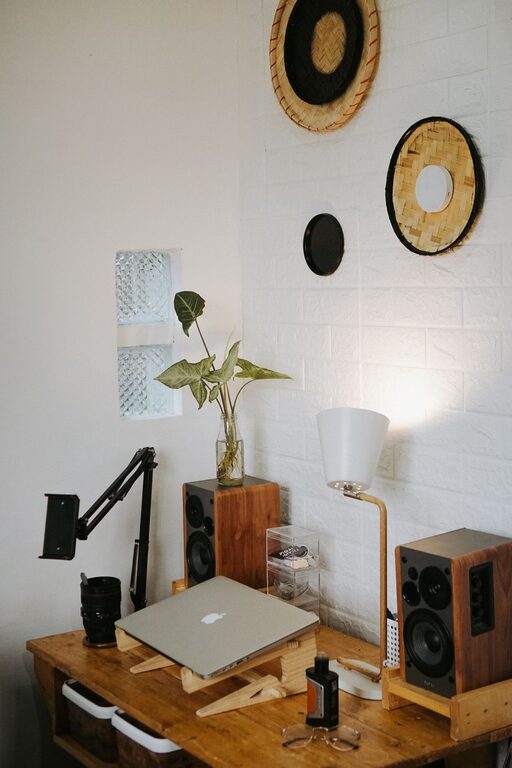
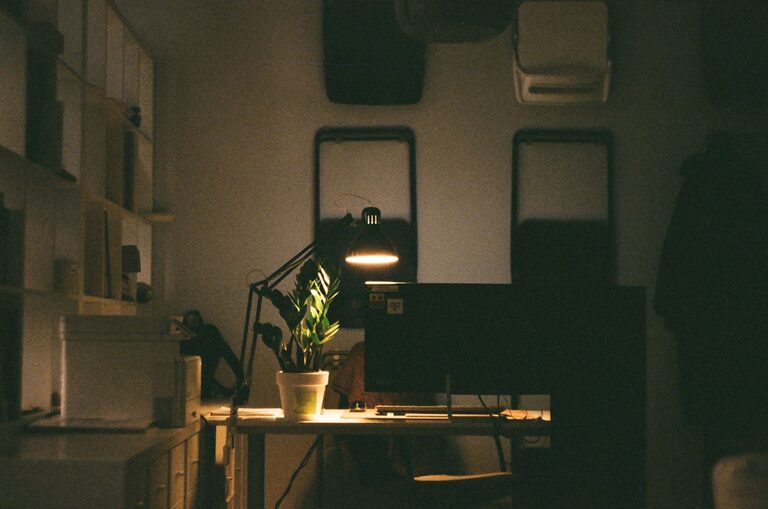
– Add task lighting: A desk lamp with adjustable brightness is ideal for focused tasks.
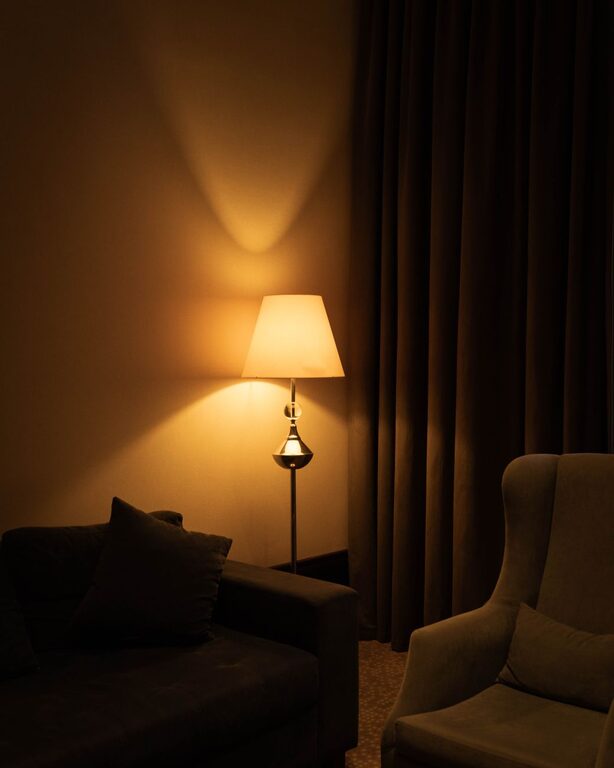
– Use warm light bulbs: Warm tones create a cozy atmosphere that helps reduce stress.
Organize with Functionality in Mind
An organized space helps you find what you need quickly and keeps your mind clear.
– Use storage solutions: Shelves, filing cabinets, or desk organizers can keep documents and supplies tidy.
– Declutter regularly: Remove items you don’t use to keep the area clean.
– Manage cables: Use cable organizers or clips to prevent a tangled mess behind your desk.
Personalize Your Space
Adding personal touches can make your office feel inviting and inspire creativity.
– Incorporate plants: Indoor plants improve air quality and add a touch of nature.
– Choose calming colors: Soft, neutral colors tend to create a relaxing environment.
– Display meaningful items: Photos, artwork, or motivational quotes can uplift your mood.
Enhance Acoustics
Sound can greatly affect your focus.
– Use rugs and curtains: These absorb sound and reduce echoes.
– Consider noise-canceling headphones: Useful if you work in a noisy environment.
– Add soft furnishings: Cushions or upholstered furniture can help muffle noise.
Keep Technology User-Friendly
Make sure your tech setup supports your workflow without causing frustration.
– Organize your devices: Keep your computer, printer, and other gadgets accessible but tidy.
– Ensure fast and stable internet: A reliable connection is critical for remote work.
– Use wireless accessories: Keyboard and mouse without wires reduce clutter.
Establish Boundaries
Creating a clear separation between work and personal life helps maintain balance.
– Set working hours: Stick to a schedule to avoid burnout.
– Use the space only for work: Avoid using your office for unrelated activities.
– Communicate boundaries: Let others in your home know your work times to minimize interruptions.
Maintain Your Workspace
A clean and well-maintained office keeps you motivated.
– Clean regularly: Dust surfaces and wipe down your desk.
– Replace worn furniture: Comfortable furniture can wear out, so update pieces as needed.
– Update decor seasonally: Small changes can refresh your mood without major changes.
Final Thoughts
Designing a home office that balances coziness with practicality doesn’t require a big budget or complex renovations. By focusing on comfort, organization, and a few personal touches, you can create a space that not only supports your work goals but also makes you feel good every day. Take the time to tailor your office to your needs, and you’ll likely find that your productivity and well-being improve.

Related Posts