Creating a cozy and inviting home workspace is essential for anyone working or studying from home. A well-designed area not only enhances productivity but also makes the experience more enjoyable and less stressful. Whether you have a dedicated room or just a small corner, you can transform your space into a comfortable and motivating environment. Here are some helpful tips to get started.
Choose the Right Location
Prioritize Natural Light
Natural light can do wonders for your mood and energy levels. Set up your workspace near a window if possible. This helps reduce eye strain and makes the space feel more open and welcoming.
Minimize Distractions
Select a spot that is quiet and away from the busiest parts of your home. This allows you to focus better and separate work time from relaxation time.
Invest in Comfortable Furniture
Ergonomic Chair
A good chair supports your back and keeps you comfortable during long hours of work. Look for adjustable features to fit your body and sitting style.
Functional Desk
Pick a desk that suits your needs—whether you require ample storage, space for multiple monitors, or a simple surface for writing. Make sure it fits well in your available space without causing clutter.
Personalize Your Space
Add Warm Textiles
Incorporate soft elements like a cozy throw blanket, cushions, or a small rug. These can make your workspace feel less sterile and more inviting.
Use Artwork and Plants
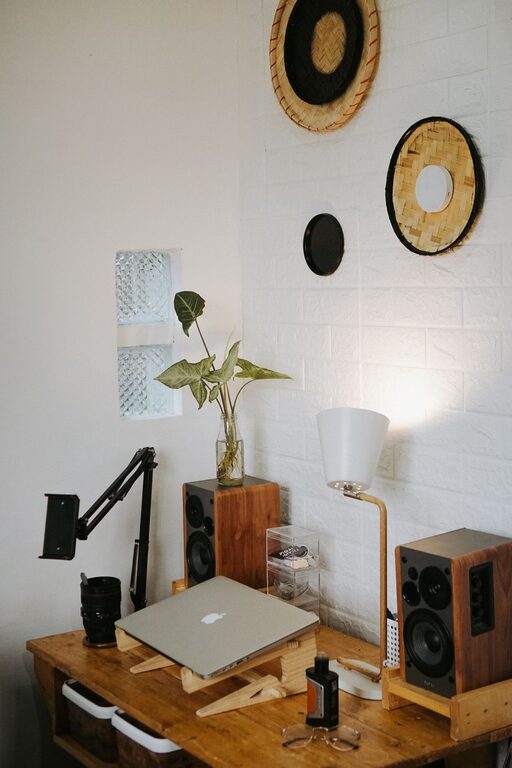
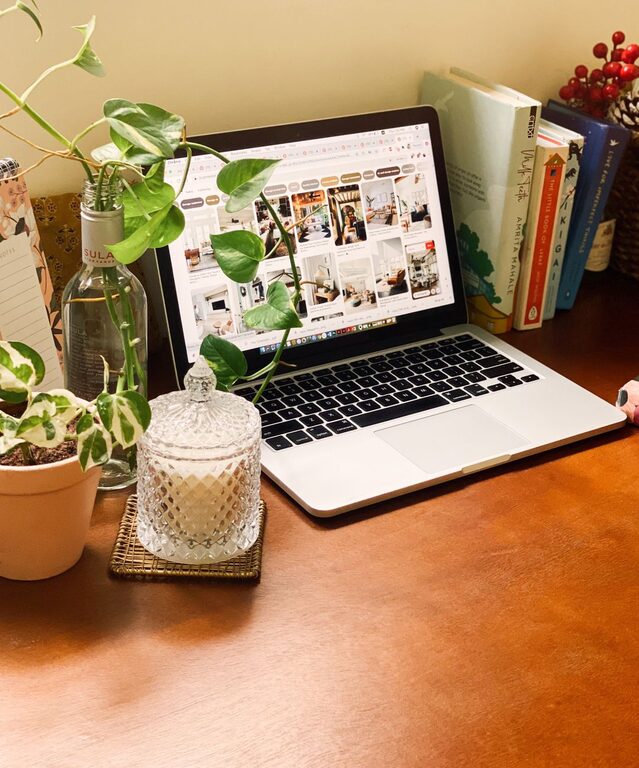
Decorate with artwork or photos that inspire you. Adding plants not only improves air quality but also brings a touch of nature indoors, making the area feel fresher and more lively.
Organize for Efficiency
Declutter Regularly
Keep your workspace clean by regularly removing unnecessary items. A tidy area helps clear your mind and reduces distractions.
Use Storage Solutions
Invest in shelves, drawers, or organizers to keep supplies and documents in order. Labeling containers can save time and reduce stress when searching for things.
Lighting Matters
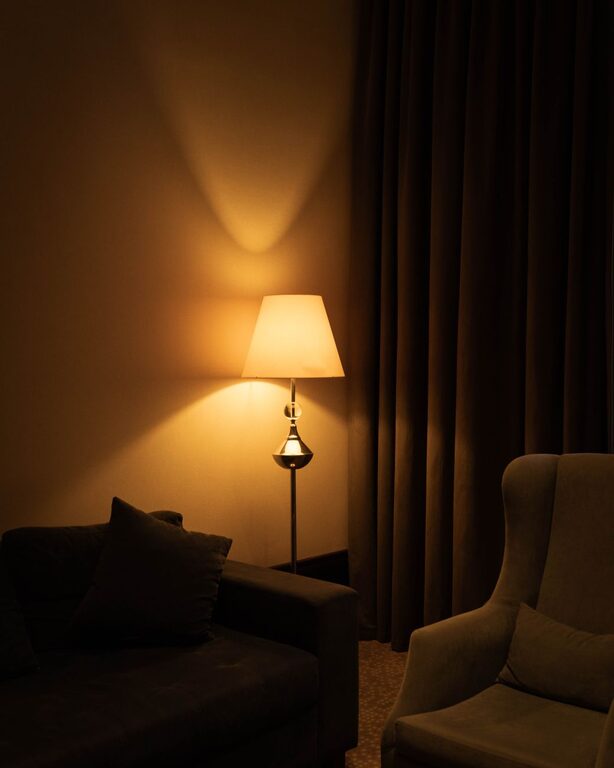
Layer Your Lighting
Combine natural daylight with task lighting like desk lamps and overhead lights. This ensures you have enough brightness for different activities while creating a warm ambiance.
Choose the Right Bulbs
Use bulbs with a daylight or soft white color temperature. Avoid harsh fluorescent lights, which can cause fatigue over time.
Create a Routine and Boundaries
Define Work Hours
Setting clear start and end times helps maintain balance between work and personal life. It also trains your mind to associate the workspace with productivity.
Designate the Space for Work Only
Try to keep work-related items and activities confined to your workspace. This prevents work from creeping into relaxation areas and helps you unwind after the day ends.
Add Soothing Elements
Play Background Music
Soft instrumental or ambient music can improve focus and reduce stress. Choose sounds that help you concentrate without distracting you.
Use Aromatherapy
Scents like lavender, eucalyptus, or citrus can promote relaxation and alertness. A diffuser or scented candles may add a calming atmosphere to your workspace.
Maintain Comfort Throughout the Day
Stay Hydrated
Keep a water bottle nearby to remind yourself to drink regularly. Hydration supports concentration and overall well-being.
Take Breaks
Schedule short breaks to stretch, move around, and rest your eyes. This improves circulation and helps prevent fatigue.
Final Thoughts
A cozy and inviting home workspace doesn’t require a complete redesign. Small adjustments in lighting, furniture, decor, and organization can create a space that feels comfortable and productive. Remember, your workspace should reflect your needs and preferences, making it a place you look forward to spending time in every day.
By focusing on comfort, personalization, and function, you can turn any area into a home office that supports your best work. Start with these tips and adapt them as you discover what works best for you. Happy creating!

Related Posts