
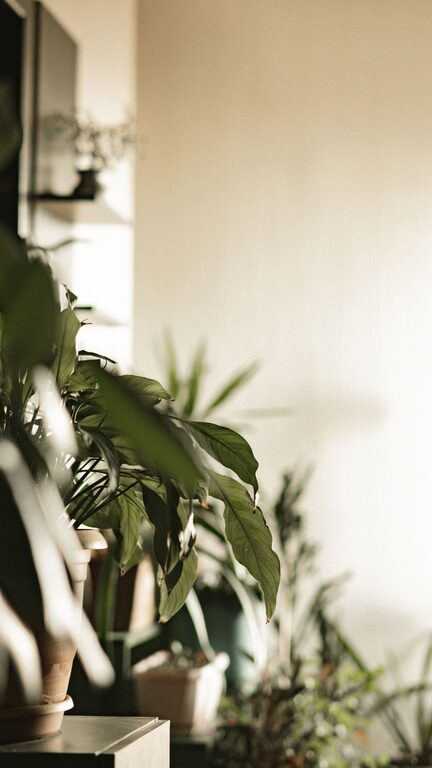
Creating and maintaining a healthy indoor garden is a rewarding hobby that brings nature inside your home. With the right care, your plants can thrive year-round, adding beauty, improving air quality, and offering a calming presence. Whether you are new to indoor gardening or looking to improve your current setup, these simple tips will help you keep your indoor plants healthy in every season.
Choose the Right Plants for Your Space
Not all plants thrive indoors, so selecting the right types for your environment is crucial. Consider factors like light availability, temperature, and humidity.
– Low-light plants: Snake plants, pothos, and ZZ plants do well in areas with minimal sunlight.
– Bright light plants: Succulents, cacti, and herbs like basil prefer direct or bright indirect light.
– Humidity-loving plants: Ferns and peace lilies thrive in more humid environments.
Matching your plants’ needs to your home’s conditions sets a solid foundation for a healthy indoor garden.
Provide Adequate Light Year-Round
Light is a key factor for photosynthesis, which plants need to grow. Room lighting can change dramatically with seasons, especially in winter.
– Maximize natural light: Keep windows clean and position plants near south or east-facing windows.
– Supplement with grow lights: When natural light is insufficient, especially in winter, use LED grow lights designed for plants.
– Rotate plants regularly: This ensures all sides receive light evenly and promotes balanced growth.
Maintaining consistent, appropriate light will keep your indoor garden flourishing.
Water Wisely
Over- or under-watering is one of the most common problems for indoor plants.
– Check soil moisture: Before watering, stick your finger about an inch into the soil. If it’s dry, it’s time to water.
– Use proper containers: Pots with drainage holes prevent water from sitting at the bottom and causing root rot.
– Adjust watering for seasons: Plants generally need less water in winter when growth slows down.
Remember, each plant species has different watering needs, so tailor your routine accordingly.
Maintain Proper Humidity and Temperature
Indoor environments can become dry, especially during colder months with heating systems running.
– Increase humidity: Use a humidifier, group plants together, or place a shallow tray of water near your plants to raise humidity levels.
– Keep temperature steady: Most indoor plants prefer temperatures between 65°F and 75°F (18°C to 24°C). Avoid placing plants near drafts or heating vents.
– Monitor changes: Sudden temperature shifts can stress plants, so try to keep conditions as stable as possible.
Maintaining these factors protects your plants from environmental stress.
Feed Your Plants Regularly
Indoor plants rely on soil nutrients that can deplete over time. Fertilizing provides essential minerals for healthy growth.
– Use balanced fertilizers: Select a general-purpose fertilizer suited for your plant types.
– Follow recommended schedules: Typically, feeding every 4-6 weeks during the growing season (spring and summer) is optimal. Reduce feeding in fall and winter.
– Avoid over-fertilizing: Too much fertilizer can burn roots or cause excessive, weak growth.
Proper feeding keeps your indoor garden vibrant and lush.
Keep Your Plants Clean and Pest-Free
Dust and pests can impact photosynthesis and overall plant health.
– Dust leaves regularly: Wipe leaves gently with a damp cloth or give plants a light shower in the sink or shower.
– Inspect plants often: Look for common indoor pests like aphids, spider mites, and mealybugs.
– Use natural pest control: Remove pests by hand, spray with soapy water, or introduce beneficial insects if appropriate.
Regular cleaning and pest checks ensure your plants stay healthy and thriving.
Repot and Refresh Soil When Needed
Plants can outgrow their pots or exhaust the nutrients in soil.
– Repot every 1-2 years: Signs like roots growing out of drainage holes or slowed growth suggest it’s time for fresh soil and a larger pot.
– Choose quality potting mix: Use mixes designed for indoor plants or specific plant types for best results.
– Handle roots carefully: When repotting, gently loosen roots to encourage new growth and prevent damage.
Repotting helps your plants continue to develop strong root systems.
Adjust Your Care Throughout the Year
Seasons affect indoor plant needs even inside your home.
– Spring and summer: Most plants grow actively; increase watering, feeding, and light exposure.
– Fall and winter: Growth slows; reduce watering and feeding, and provide supplemental light as days get shorter.
– Monitor plant behavior: If you notice changes in leaf color or growth rate, adjust care routines accordingly.
Adapting to seasonal changes keeps your indoor garden balanced and healthy year-round.
—
Maintaining a healthy indoor garden does not have to be complicated. By choosing the right plants, providing proper light and water, and paying attention to their needs throughout the year, you can enjoy a thriving indoor oasis no matter the season. Happy gardening!
