Creating a comfortable and productive home workspace is essential for anyone working remotely or spending significant time on personal projects. A well-designed workspace can improve focus, reduce stress, and make your workday more enjoyable. Whether you have a dedicated room or just a small corner, there are several ways to optimize your home office environment. This guide offers practical tips to help you create a cozy and efficient workspace tailored to your needs.
Choose the Right Location
The first step is selecting a spot in your home that minimizes distractions and enhances concentration. Ideally, pick a quiet area with enough space for your desk and equipment.
– Natural light: Placing your workspace near a window allows for natural light, which can boost mood and reduce eye strain.
– Away from noise: Avoid high-traffic areas like the kitchen or living room where interruptions are frequent.
– Separation from relaxation zones: Keeping work and relaxation areas separate helps maintain a mental boundary between work and personal life.
Invest in Comfortable Furniture
Your furniture plays a crucial role in your comfort and productivity.
– Ergonomic chair: Choose a chair that supports healthy posture to prevent back and neck pain.
– Appropriate desk height: Make sure your desk allows you to work with relaxed shoulders and arms at a 90-degree angle.
– Adjustable options: Consider adjustable desks for standing and sitting; switching positions helps reduce fatigue.
Organize and Declutter
Cluttered spaces can lead to distractions and increased stress. Keeping your workspace tidy helps maintain focus.
– Storage solutions: Use shelves, drawers, and organizers to keep supplies neat and accessible.
– Minimalist approach: Only keep essential items on your desk to reduce visual clutter.
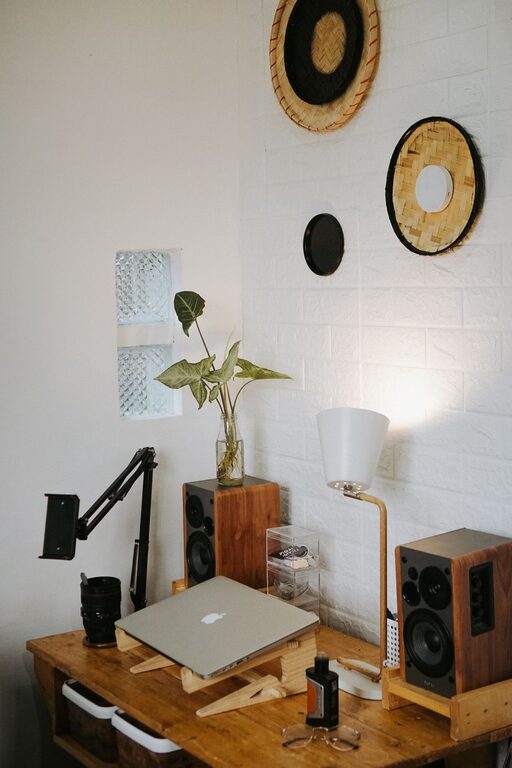
– Cable management: Use clips or sleeves to organize cables and avoid tangles.
Personalize Your Space
Adding personal touches makes your workspace inviting and motivating.
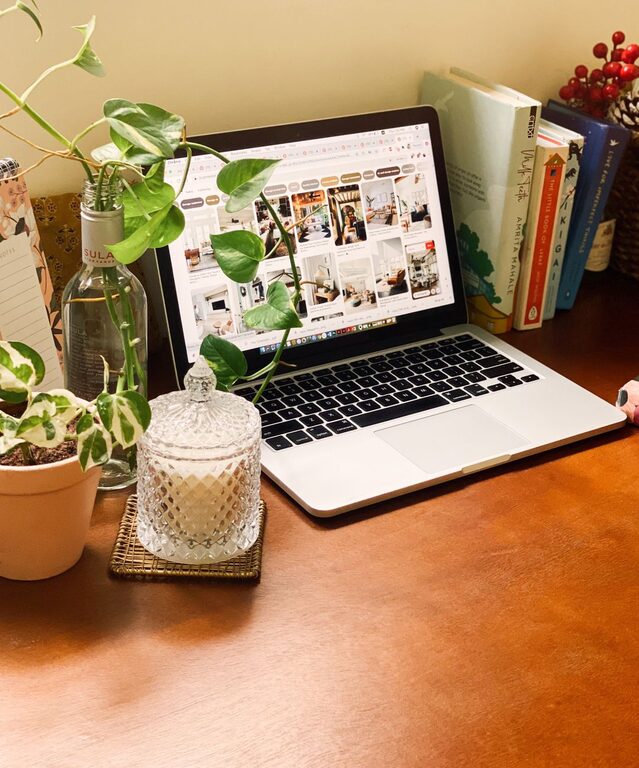
– Plants: Indoor plants improve air quality and add a touch of nature.
– Artwork and photos: Display images that inspire and uplift your mood.
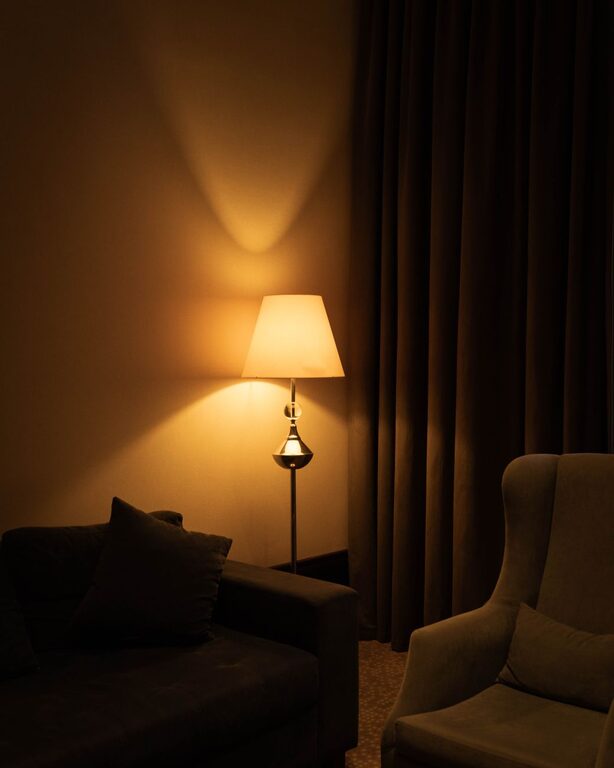
– Lighting: Use warm desk lamps or string lights to create a cozy atmosphere, especially in the evening.
Optimize Lighting
Proper lighting reduces eye strain and improves alertness.
– Layered lighting: Combine overhead lighting with task lighting like desk lamps.
– Adjust brightness: Use adjustable lamps to control light intensity based on time of day.
– Avoid glare: Position screens and light sources to prevent reflections on your monitor.
Use Technology Wisely
Technology can help increase productivity but may also cause distractions.
– Dual monitors: If your work involves multitasking, dual screens can enhance efficiency.
– Noise-canceling headphones: These help block out background noise when concentration is needed.
– Reliable internet: Ensure your workspace has strong internet connectivity to prevent disruptions.
– Cable organizers: Keeping cords untangled keeps things looking neat and reduces frustration.
Establish a Routine
Creating a routine helps separate work time from personal time and improves productivity.
– Set work hours: Define when your workday starts and ends.
– Take breaks: Schedule regular short breaks to stretch and rest your eyes.
– Create rituals: Small rituals, like starting the day with a cup of tea at your desk, signal the beginning of work.
Maintain Good Air Quality
Fresh air and good ventilation contribute to alertness and health.
– Ventilate regularly: Open windows if possible, or use an air purifier.
– Keep plants: Certain indoor plants can help filter pollutants naturally.
– Temperature control: Maintain a comfortable temperature to stay focused.
Keep Supplies Handy
Having necessary supplies within reach avoids interruptions during work.
– Stationery: Keep pens, notebooks, and other essentials organized nearby.
– Water and snacks: Staying hydrated and having healthy snacks helps maintain energy.
– Tech accessories: Chargers, USB drives, and other tools should be accessible.
Encourage Movement
Being sedentary all day is not good for health or productivity.
– Stretch breaks: Stand up and stretch every hour.
– Walking meetings: If possible, take phone calls or meetings while walking.
– Exercise equipment: Consider having small equipment like resistance bands nearby.
—
By thoughtfully combining these tips, you can create a home workspace that’s both cozy and productive. Remember that your workspace should evolve with you, so feel free to adjust elements to find what best supports your focus and comfort. A well-designed home office not only enhances your work performance but also contributes positively to your overall wellbeing.

Related Posts